Vista highlight
Strong agricultural
Vista earned the reputation as "the avocado capital of the world" by the late 1940s, built on irrigation infrastructure constructed in 1923.
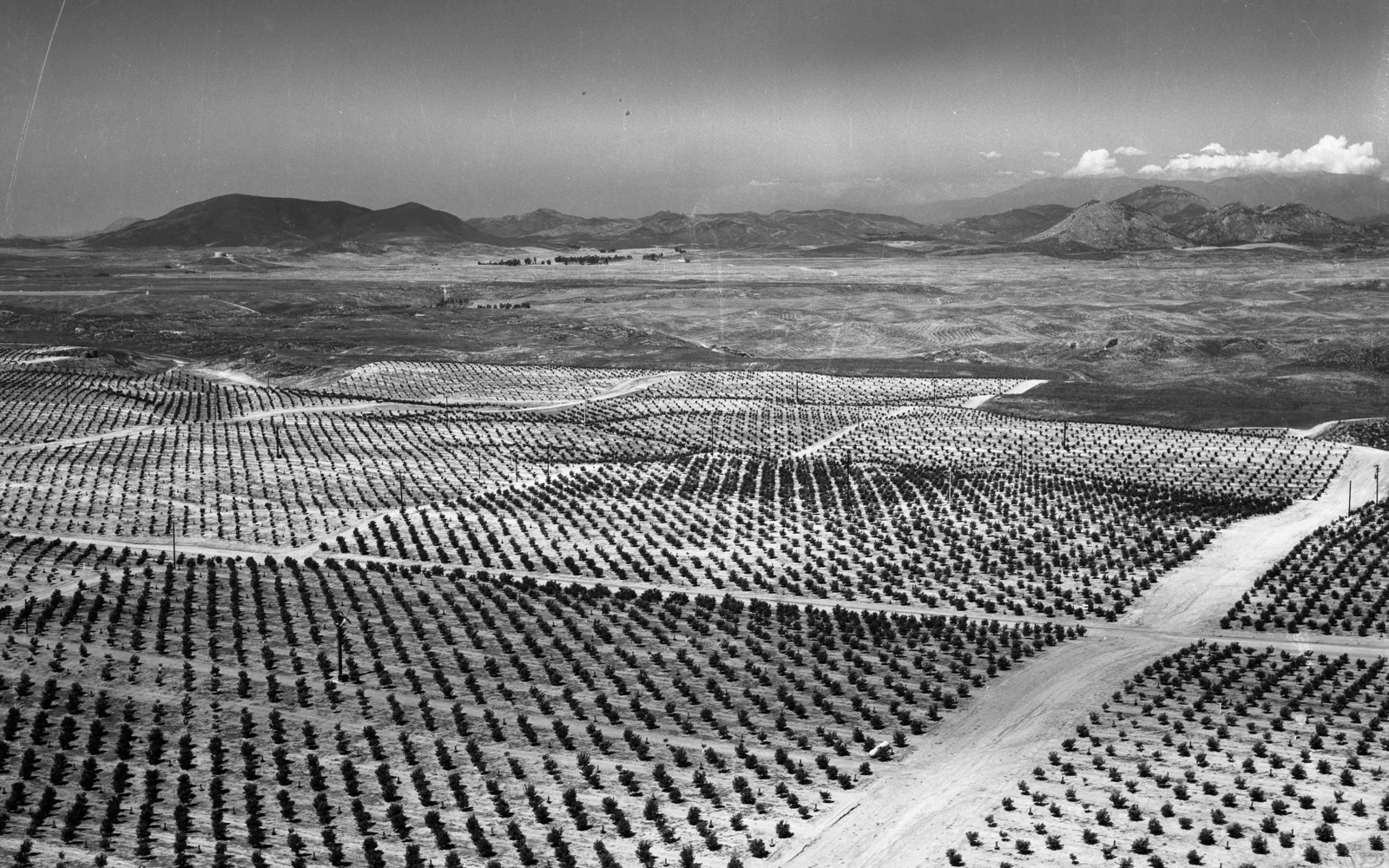
In 1923, the Vista Irrigation District secured funding to construct a water supply system drawing from Lake Henshaw, transforming the region's agricultural potential. Within a generation, this infrastructure enabled Vista to become home to multiple avocado packing facilities, and by the late 1940s Vista was promoted across California as "the avocado capital of the world." The city also grew crops of citrus fruits, tomatoes, and celery, with the reliable water supply making reliable harvests possible.
That agricultural prosperity shaped Vista's early identity and economy. Families farmed and worked in packing facilities, built homes, started businesses, and made plans based on the steady produce seasons. The region's Mediterranean climate—mild winters with virtually no frost or snow, semi-arid conditions with about 13 inches of rainfall a year—remains ideal for the crops that thrived then, even as the city's economy has since diversified into manufacturing, retail, education, and healthcare.
Today's Vista families are built on a different economic foundation than the agricultural families of the mid-20th century, but they face the same question about their financial security. A term life policy sized to your household's actual obligations—your mortgage, your children's education years, your business loan, or your co-owned ventures—is the practical way to protect what those future plans depend on.